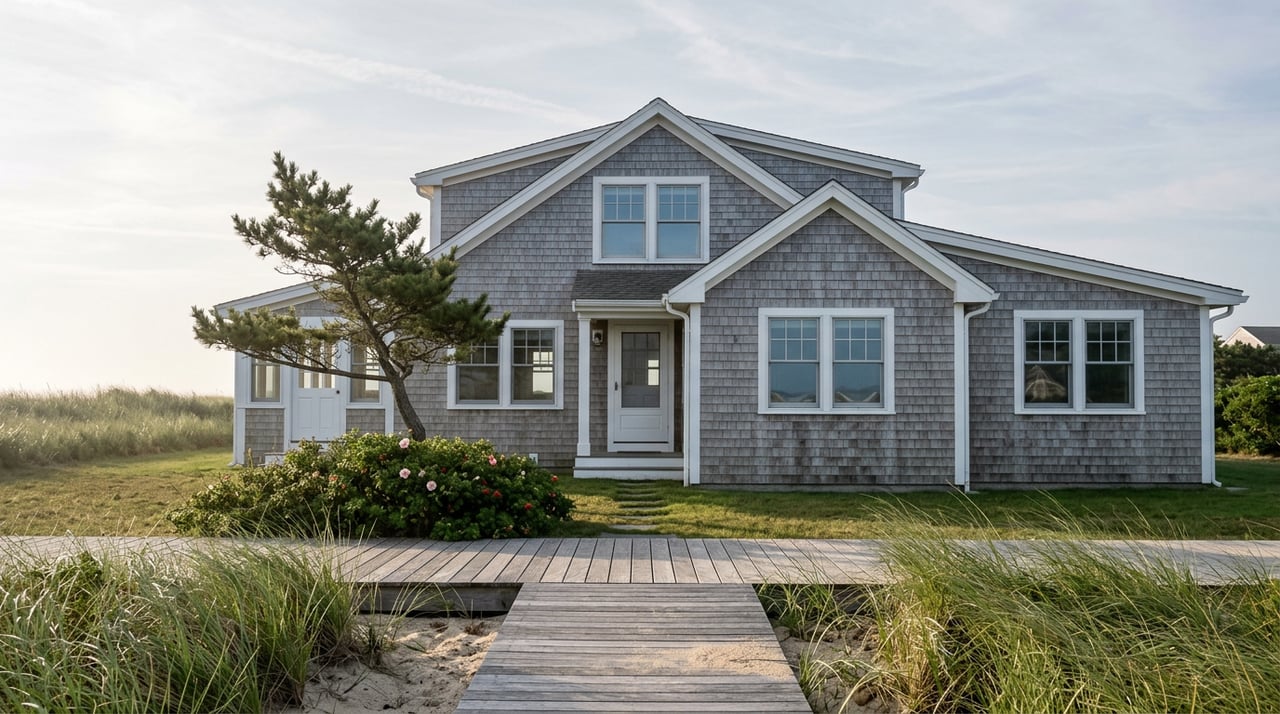
Thinking about a beach or marsh home in Newbury? It is easy to fall for the views, the light, and the easy access to sand, water, and open sky. But in Newbury, coastal ownership also comes with floodplain rules, seasonal rhythms, and maintenance questions that matter just as much as curb appeal. If you are weighing a primary home, second home, or future investment, this guide will help you understand what to look for before you buy. Let’s dive in.
Why Newbury Feels Different
Newbury’s coastal setting is shaped by salt marsh, barrier beach, and tidal systems that influence daily life. The town reports that its salt marsh covers more than 5,200 acres, or nearly one-third of the town, and forms part of the Great Marsh ecosystem.
That means a beach or marsh home here is tied to a living landscape, not a static one. Tides, storms, wind, and erosion all play a role in how a property functions and what ownership feels like over time.
Town planning materials also describe Plum Island as a barrier island exposed to wind, waves, storm surge, and erosion. The same materials note that flooding can close Plum Island Turnpike and that erosion has intensified over time.
What Coastal Living Looks Like Day to Day
A Newbury coastal home can offer a special lifestyle. You may enjoy marsh views, beach walks, sea air, and a strong sense of season that many buyers are looking for.
At the same time, that lifestyle comes with a different routine than inland ownership. Access, weather, and local rules can shape how you use the home in summer, winter, and shoulder seasons.
Plum Island Has a Clear Seasonal Rhythm
On Plum Island, much of the beach experience is managed with wildlife protection in mind. The Parker River National Wildlife Refuge uses marked boardwalks and parking areas, and many areas close from April 1 into early August to protect piping plovers and terns.
The refuge also notes that summer is the busiest season. Town notices for 2026 say Plum Island restrooms open on May 16 and close on October 12, which gives you a practical sense of how the island shifts through the year.
If you are considering a second home, this matters. Peak season can bring more activity and access limits, while the off-season often brings a quieter experience and a different pace.
Parking and Access Can Change
The refuge says it may close to vehicles when parking lots fill. It also notes that weekdays and off-peak hours can improve your chances of getting in.
For buyers, this is a useful reality check. A home near the beach may still involve planning around seasonal traffic, parking demand, and temporary access restrictions.
Floodplain Due Diligence Matters
For many buyers, the most important question is simple: Is the home in a flood zone? In Newbury, that question should be answered early.
The town’s flood hazard bylaw states that the Flood Hazard Overlay District includes special flood hazard areas in Zones A, AE, AO, and VE on the Essex County flood maps dated July 8, 2025. The bylaw also says permits are required for all proposed development in the floodplain overlay district.
This affects more than new construction. It can shape renovations, additions, utility work, long-term planning, and how you think about insurance and resale.
Sea Level Rise Is Part of the Picture
Massachusetts says coastal areas are highly vulnerable to sea level rise and storm surge. State climate information notes about 9 inches of sea level rise during the 20th century and projects roughly 0.6 to 1.1 feet above 2000 levels by 2030 and 2.3 to 4.2 feet by 2070.
That does not mean every property will face the same risks. It does mean buyers should evaluate both current flood mapping and longer-term coastal conditions before making a decision.
Use Official Map Tools Early
Before you move too far into a purchase, it helps to review the property with official sources. In Newbury, the most useful checks often include:
- FEMA flood maps for the specific address
- Newbury flood hazard zoning rules
- Massachusetts sea-level-rise and coastal flooding viewers
- Newbury wetlands and Conservation Commission guidance, if the home is near marsh or wetland areas
A good coastal home search is not just about finding the right view. It is also about understanding how the lot, structure, and regulations fit together.
Insurance Questions to Ask Before You Buy
Flood insurance deserves its own conversation. Massachusetts says there is no state law requiring flood insurance, but standard homeowners insurance does not cover flood damage.
That distinction is important because many buyers assume flood damage is part of a standard policy. It usually is not, so you will want to review coverage options early in the process.
Massachusetts also notes, along with FEMA and FloodSmart guidance cited in the research, that NFIP coverage typically becomes effective 30 days after purchase unless an exception applies. If flood coverage may be part of your ownership plan, timing matters.
Building and Renovating on Plum Island
If you are considering a home on Plum Island, it is smart to look beyond the house itself and study what the site allows. Local construction rules can directly affect future plans.
Newbury’s Plum Island guideline sheet says it offers general guidance and directs owners to Inspectional Services for property-specific questions. It outlines several key limits that buyers should know before they commit.
Key Local Development Limits
According to the town’s Plum Island guidance:
- Lot coverage is capped at 20 percent
- Floor area ratio is capped at 25 percent
- Maximum height is 35 feet
- Maximum stories is 2
- Setbacks are 10 feet on the sides and rear
- Street setback is 20 feet
These rules can matter if you hope to expand, reconfigure, or rebuild over time. A property that feels promising on first look may have tighter limits than you expect.
Foundation Rules Can Affect Costs
The same town guidance says new construction must be on pilings or piers. It also notes that substantial work on a solid foundation in a flood zone can trigger a requirement to elevate the entire structure.
That can have a major impact on renovation scope and budget. If you are buying with plans to improve the property, it is worth understanding those thresholds before you close.
Utilities Are Not Always Typical
On Plum Island, utilities differ from many inland neighborhoods. Newbury says water and sewer service on Plum Island are provided by Newburyport.
The town’s guideline sheet also notes that Newburyport Water and Sewer sign-off is part of the permit process when rooms are added. That is another reason coastal homes often require more detailed planning than buyers expect.
Marsh-Adjacent Homes Need Their Own Review
Not every coastal property in Newbury is directly on the beach. Some of the most appealing homes sit near marsh, wetland edges, or floodplain areas inland from the shoreline.
These homes can offer beautiful open views and a strong connection to the landscape. They can also involve permitting questions that are easy to miss if you are focused only on the house.
Wetlands Review May Apply
Newbury’s Conservation Commission is the local contact for wetlands protection and permitting questions. The town’s homeowner guide is designed to help residents and buyers understand when to involve the commission.
Massachusetts guidance also says coastal work affecting dunes, barrier beaches, coastal banks, marsh, or floodplain areas often triggers review under the Wetlands Protection Act. If a home is near sensitive resource areas, even modest exterior changes may require a closer look.
Maintenance Is Part of the Coastal Trade-Off
Beach and marsh homes can be rewarding properties, but they usually ask more of you as an owner. Moisture, salt air, storms, and flooding risk all influence maintenance needs.
Massachusetts recommends knowing shutoff locations, elevating flood-vulnerable mechanicals when needed, clearing gutters, preparing for power outages, and reviewing coastal homeowner emergency guidance if you live in a coastal community.
EPA guidance cited in the research adds that wet materials should be dried within 24 to 48 hours when possible because lingering moisture can lead to mold growth. After flooding, some porous materials may need to be discarded if they cannot be fully dried.
Budget for More Than Cosmetics
When buyers picture a coastal home, they often focus on decks, views, and outdoor living. Those are real benefits, but your budget should also account for storm prep, insurance, cleanup, and ongoing moisture management.
In Newbury, that planning matters because town materials describe Plum Island as erosion-prone and vulnerable to extensive flood impacts. The right purchase is one where the lifestyle and the long-term responsibilities feel equally workable for you.
Questions to Ask Before You Make an Offer
If you are serious about a beach or marsh home in Newbury, these are some of the most useful questions to ask early:
- Is the property in a mapped flood zone?
- What permits may be required for future renovations or additions?
- Is the lot subject to Plum Island dimensional or foundation rules?
- Are there wetlands or marsh-related restrictions on site work?
- How seasonal are road access, parking, and beach access nearby?
- What should you expect for flood insurance, storm prep, and maintenance?
- Are utilities typical for the area, or are there special sign-offs tied to future work?
These questions do not mean you should avoid coastal property. They simply help you buy with clearer expectations.
Why Local Guidance Matters
A beach or marsh home in Newbury is not just a style choice. It is a lifestyle property with an environmental and regulatory overlay.
That is why local guidance matters so much. You want to understand how a home lives in July, how it performs in January, what the maps say today, and what local rules may mean for your plans five years from now.
With the right due diligence, coastal ownership can be deeply rewarding. The key is to go in informed, ask the right questions, and evaluate both the beauty and the practical realities of the property.
If you are exploring coastal homes in Newbury and want experienced, local perspective on flood zones, neighborhood nuances, and property-specific trade-offs, connect with the Cronin Team.
FAQs
What should you check first when buying a beach home in Newbury?
- Start with the property’s flood zone, local zoning limits, and any permitting considerations tied to floodplain, marsh, or wetlands areas.
How seasonal is life on Plum Island in Newbury?
- Plum Island has a clear seasonal rhythm, with summer bringing the busiest beach activity, possible parking closures, and wildlife-related access restrictions in some areas.
Does standard homeowners insurance cover flooding in Newbury?
- No. Massachusetts says standard homeowners policies do not cover flood damage, so flood insurance should be reviewed separately.
What building limits apply to Plum Island homes in Newbury?
- Town guidance lists limits on lot coverage, floor area ratio, height, stories, and setbacks, and it notes that new construction must be on pilings or piers.
Why do marsh-adjacent homes in Newbury need special review?
- Homes near marshes or wetlands may involve Conservation Commission review and permitting under local and state wetlands rules, depending on the work proposed.
What ownership costs are easy to underestimate for a Newbury coastal home?
- Buyers often underestimate storm prep, flood insurance, moisture management, cleanup, and maintenance tied to salt air, flooding, and seasonal conditions.