Are you eyeing Salisbury as a beach escape that can also help cover its costs? That idea can work, but in this market, the numbers depend on more than views and summer demand. If you are considering a second home, seasonal rental, or year-round investment property, you need to understand zoning, flood exposure, taxes, and local rental rules before you buy. Let’s dive in.
Why Salisbury draws second-home buyers
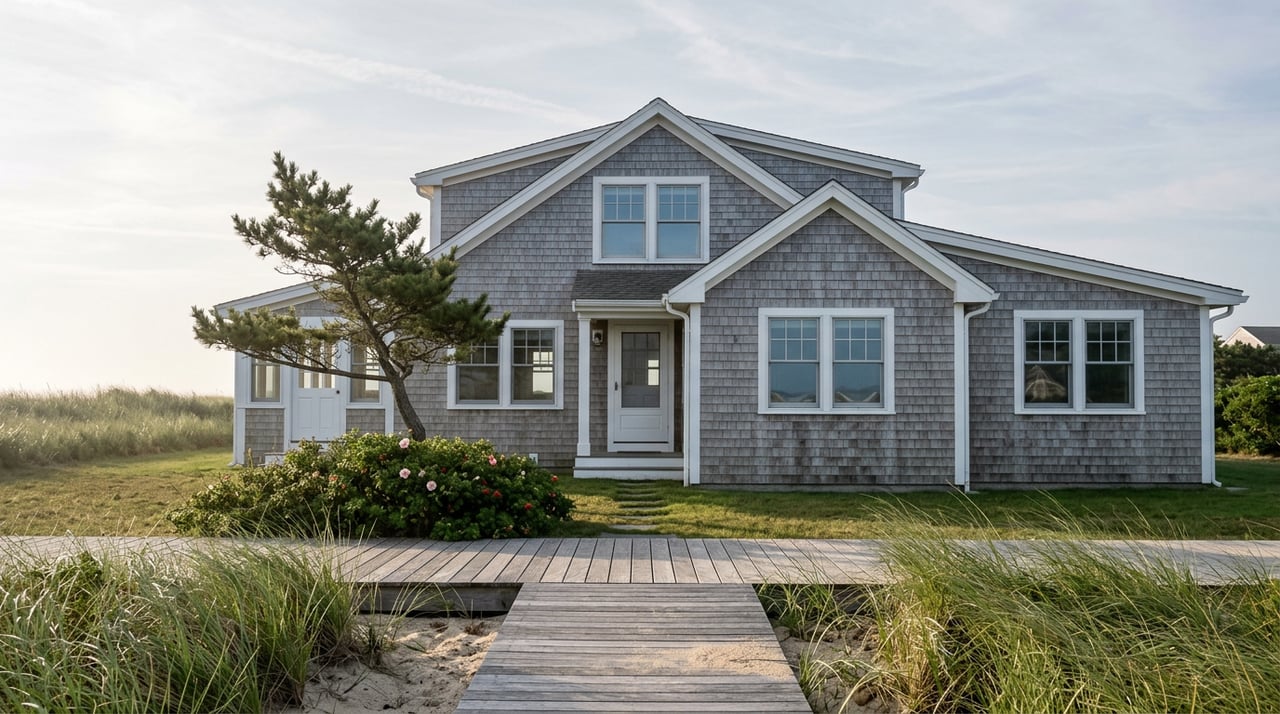
Salisbury offers a coastal lifestyle that appeals to both personal-use buyers and investors. For many buyers, the appeal is simple: you can enjoy beach access, seasonal energy, and a North Shore location while also exploring rental income potential.
Still, Salisbury is not a market where you can assume every attractive property will work the same way. The town’s rules, district layout, and carrying costs can shape whether a home fits your plans as a second home, a seasonal rental, or a longer-term hold.
Start with Salisbury zoning
Before you fall in love with a property, confirm what the zoning district allows. Salisbury’s current housing plan describes the main residential districts, R-1, R-2, and R-3, as primarily oriented toward single-family homes, with accessory dwelling units allowed only by special permit.
The same plan says Beach Commercial is the district where multifamily housing is allowed by right. It also identifies overlay areas such as Village Residential, Outer Village Residential, the Beach Overlay, the Motel Reuse Overlay, and the MBTA Communities overlay as places where added housing flexibility or mixed-use density has been introduced.
That matters because a property’s value to you is tied to its legal use, not just its curb appeal. If your goal is to rent seasonally, use part of the property differently, or explore future flexibility, district-level details should be part of your first review.
Know Salisbury rental compliance rules
Salisbury requires a Certificate of Habitability before a dwelling unit is rented or leased on a long-term, seasonal, or short-term basis. The town defines a seasonal rental as five months or less and a short-term rental as 31 days or less.
If you plan to operate a short-term rental, you must also provide proof of Massachusetts Department of Revenue registration. Certificates are valid for five years, and owner-occupied units are exempt only if the owner files the required affidavit.
There is another practical timing issue buyers should not miss. Annual certificate applications are accepted from April 1 through June 30, so if you are hoping to close in spring and capture summer rental income, your closing timeline can affect your first season.
The town also requires owners to be current on water and wastewater bills and real estate taxes before a certificate will be issued. That is one more reason due diligence should include not just the house, but the property’s full compliance status.
Short-term rental taxes affect the math
If you are underwriting a short-term rental, occupancy taxes need to be part of your budget from day one. Massachusetts charges a 5.7% room occupancy excise on short-term rentals, and Salisbury’s local room occupancy excise is 6.00%.
In practice, that means a Salisbury short-term rental generally faces an 11.7% occupancy excise before platform fees, cleaning costs, or other operating expenses. That can make gross income look stronger on paper than it feels in reality once expenses are layered in.
Salisbury’s draft 2024 to 2029 Housing Production Plan also notes that the town is considering policies related to short-term rental regulation. For buyers, that is a useful reminder that rules in seasonal coastal markets can change, so regulatory risk should be part of your long-term planning.
Understand Salisbury home prices
Salisbury sits in a mid-to-upper price band for the North Shore based on recent market data. Zillow reports an average home value of $627,369 and a March 2026 median list price of $591,133, while Redfin reported a March 2026 median sale price of $520,000.
Those numbers are helpful for broad context, but they should not be treated as a pricing shortcut. The gap between list-based and sale-based metrics is a good reminder that you should evaluate a specific property using current comparable sales, condition, location, and legal use rather than rely on a town-wide average.
Budget for carrying costs early
For second-home and rental buyers, the monthly payment is only one part of ownership cost. Salisbury’s assessor page lists a single FY2025 tax rate of $10.08 per $1,000 of assessed value.
At that rate, a $600,000 property would carry about $6,048 per year in property tax before exemptions or future changes. Real estate taxes are due quarterly on August 1, November 1, February 1, and May 1, so cash flow planning should reflect that payment schedule.
Water also deserves attention, especially if you expect to use the property seasonally. Salisbury bills water quarterly, and seasonal meter installation or removal requires an appointment, which means off-season setup and shutdown should be part of your ownership plan.
Flood risk can change everything
In Salisbury, flood exposure is one of the biggest variables in the real cost of ownership. The town’s Floodplain District is tied to FEMA special flood hazard areas and includes Zones A, AE, AH, AO, and VE using the town’s 2025 effective flood maps.
FEMA states that properties in a special flood hazard area face at least a 1% annual chance of flooding. The town also reminds owners that standard homeowners insurance does not cover flood damage.
For buyers, this is not a side note. Flood zone location can affect insurance cost, renovation plans, financing considerations, and your comfort level as an owner, especially if you are buying near the water or counting on strong seasonal demand.
Compare seasonal and long-term rental potential
Salisbury can offer appealing income potential, but the right rental model depends on the property. AirDNA’s Salisbury market page, based on 182 vacation rentals, shows a market-wide annual revenue estimate of $30.3K, a 53% occupancy rate, and an average daily rate of $427.50.
That is useful as a rough benchmark, not a promise. A property’s actual performance can vary based on location, condition, layout, parking, flood exposure, seasonality, and how well the home matches what renters typically seek in this market.
Listing examples show how much pricing can vary near the beach. One Atlantic Avenue listing advertised $2,725 per week in high season and $1,900 per week in pre- and post-season, while another oceanfront two-family listing cited potential for about $45,000 in summer income over a 12-week season.
Those examples are asking prices and seller claims, not guaranteed results. Still, they show why an ocean-side property may underwrite very differently from an inland home with less seasonal pull.
If you are considering a year-round lease instead, the rent picture looks more stable but usually less aggressive on gross income. Recent long-term asking rent figures cluster around the low-to-mid $2,000s per month, with Zillow at $2,500, Realtor.com at $2,270, and Zumper at $2,195.
A simple way to underwrite a Salisbury purchase
The most practical approach is to treat the property as a lifestyle purchase first and an investment second. That mindset can keep you from stretching for projected income that may not hold up after taxes, insurance, maintenance, and compliance costs.
As you evaluate options, focus on these questions:
- Does the zoning district support the use you want?
- Will the property need a Certificate of Habitability before you can rent it?
- If you want short-term income, have you accounted for the 11.7% occupancy excise?
- What are the annual property taxes at the current assessed value?
- Is the home in a flood-related zone that may increase insurance or ownership risk?
- Does the expected rent, whether seasonal or year-round, realistically support your carrying costs?
- If you plan to use the town beach lot, have you included parking costs in your budget?
Salisbury does offer seasonal town lot parking permits, including a non-resident property owner permit. The first pass is priced at $20, which is small compared with housing costs, but still worth noting if beach access is part of the lifestyle you are buying for.
Why local guidance matters in Salisbury
In a coastal market like Salisbury, the right property is rarely just about price per square foot. It is about matching your goals to a home that works legally, financially, and practically over time.
That is where local, property-specific guidance matters. A second-home buyer may prioritize enjoyment and low-friction ownership, while an investor may focus more heavily on zoning, rental timing, operating costs, and flood exposure. In both cases, careful analysis upfront can help you avoid expensive surprises later.
Whether you are comparing a beach-area property, a year-round home with rental potential, or a more lifestyle-driven second home, the strongest buying decisions come from looking at the full picture. If you want experienced North Shore guidance as you evaluate Salisbury opportunities, connect with the Cronin Team.
FAQs
What should you check before buying a second home in Salisbury?
- You should confirm zoning, rental eligibility, flood exposure, property taxes, water setup, and whether the home can legally support your intended use.
Does Salisbury require a permit or certificate for rental properties?
- Yes. Salisbury requires a Certificate of Habitability before a dwelling unit is rented on a long-term, seasonal, or short-term basis, with some owner-occupied affidavit exceptions.
How does Salisbury define seasonal and short-term rentals?
- Salisbury defines seasonal rentals as five months or less and short-term rentals as 31 days or less.
What taxes apply to short-term rentals in Salisbury?
- A Salisbury short-term rental generally faces an 11.7% occupancy excise, made up of the 5.7% Massachusetts room occupancy excise and the 6.00% local excise.
How much are property taxes for a Salisbury home?
- Salisbury’s FY2025 tax rate is $10.08 per $1,000 of assessed value, so a $600,000 home would be about $6,048 per year before exemptions or future changes.
Why is flood risk important for Salisbury buyers?
- Flood risk can affect insurance, financing, renovation planning, and long-term ownership costs, and standard homeowners insurance does not cover flood damage.
Is a seasonal rental or long-term rental better in Salisbury?
- It depends on the property and your goals. Seasonal rentals may offer higher gross potential, while long-term rentals may provide steadier income with less volatility.