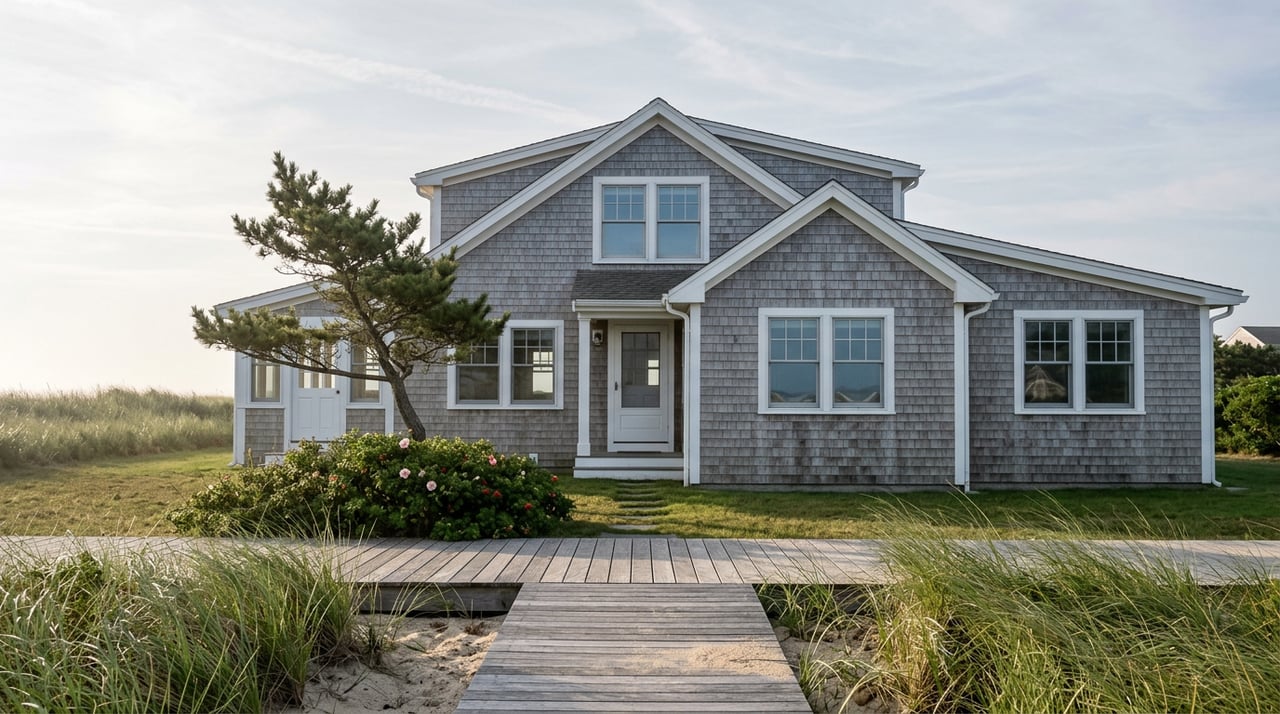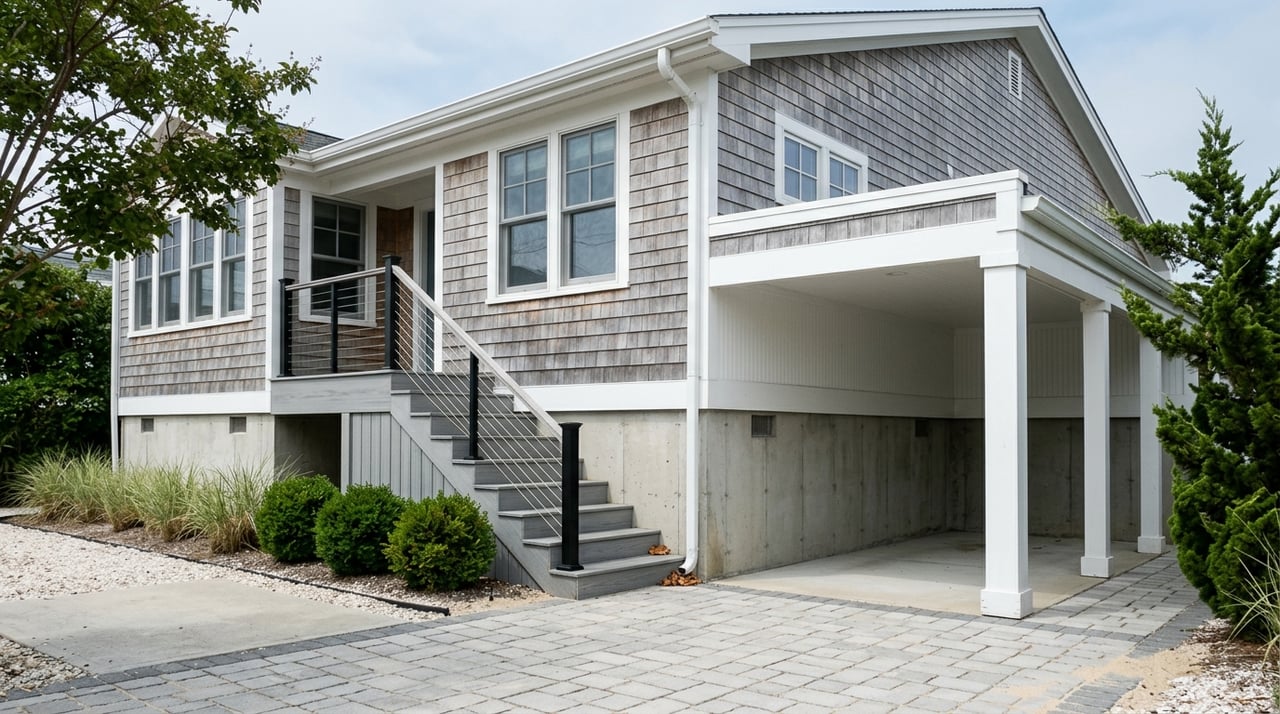
If you are thinking about buying in Salisbury Beach, it helps to know that this is not a typical beach neighborhood. It is a barrier beach and resort area where ocean access, parking, seasonality, and flood exposure can shape your day-to-day experience just as much as the home itself. When you understand those moving parts before you buy, you can make a more confident decision and avoid surprises later. Let’s dive in.
Why Salisbury Beach Feels Different
Salisbury Beach is a distinct coastal area within Salisbury, with sandy Atlantic shoreline, salt marshes, and a mix of residential and commercial beachfront development. The town also notes that the area has been shifting from seasonal cottages toward more year-round use, which affects how buyers think about long-term livability and value. You can read more in the Town of Salisbury overview.
This is also a place with a big seasonal swing. Salisbury has about 9,200 year-round residents, but summer activity rises sharply, and Salisbury Beach State Reservation is described as the Commonwealth’s busiest state park, drawing more than one million visitors each year. That means a quiet off-season feel can give way to very busy summer weekends.
For you as a buyer, that seasonal pattern matters. The town’s planning documents say peak summer-day water demand can be more than double an average summer day, and traffic controls have been used on busy beach days to manage congestion. In other words, Salisbury Beach can offer a classic coastal lifestyle, but it comes with real summer logistics.
Know the Main Property Types
Buyers often use terms like oceanfront, second-row, and in-town, but those are market shortcuts rather than official zoning categories. Salisbury’s planning documents refer instead to places like Salisbury Beach, Beach Center/Broadway, Oceanfront South, Salisbury Square, and Ring’s Island. The town’s planning and community materials are useful if you want a more accurate picture of how the area is organized.
Oceanfront Homes
True oceanfront or direct-access homes usually command the highest prices. Based on recent examples in the research, oceanfront properties along North End Boulevard have ranged from the high $700,000s to well over $1 million, especially when they offer strong views, newer finishes, and dedicated parking.
One important note is ownership. The town states that most of Salisbury Beach is state-owned, with only a few private parcels extending onto the beach near the center. So if a home has an oceanfront address, you should not assume it includes ownership of the sand itself.
Second-Row and Beach-Adjacent Homes
Second-row and beach-adjacent condos or townhomes can be a middle ground. They often cost less than direct oceanfront property, but they may still carry a premium because of location, walkability to the beach, or views.
This category is where you should compare more than just purchase price. HOA dues can materially affect monthly cost, and recent examples in the research show dues ranging from about $275 to $430 per month. For many buyers, the better comparison is total monthly housing cost, not simply the list price.
In-Town Salisbury Homes
Mainland Salisbury, including areas like Salisbury Square, often tracks closer to townwide pricing. The town’s 2024 median single-family sale price was $675,000, and the Salisbury Beach neighborhood median sale price was reported at $627,450 in January 2026, showing that there can be overlap depending on property type and condition.
If you are open to living a little farther from the sand, mainland options may give you different tradeoffs. You might find more space, a different parking setup, or fewer beach-season pressures while still staying close to the coast.
What Really Drives Value Here
In Salisbury Beach, square footage is only part of the story. The biggest value drivers are often frontage, parking, HOA dues, age and condition, and flood exposure.
That means two homes with similar size can feel very different in value. A smaller unit with deeded parking and lower flood risk may be more practical than a larger home with limited parking, higher carrying costs, or more exposure to coastal issues. This is one reason local, property-specific guidance matters so much in this market.
Beach Access and Parking Matter More Than You Think
Beach access is a major quality-of-life factor in Salisbury Beach. According to the town’s open-space plan, access is available through the State Reservation and about 14 public access points, but those access points do not have legal public parking areas. The same plan identifies Beach Center at the end of Broadway as the main point of access to the beach.
For many buyers, this changes how a property functions in real life. If you expect to host guests, use the home on summer weekends, or eventually rent it out where permitted, off-street or deeded parking can be a serious advantage.
Public Parking Options
The town and state use separate parking systems. The James Hunt Memorial Lot parking rules and rates outline seasonal and daily regulations for the town lot, while the state reservation has its own fee structure.
Here is the practical breakdown:
| Parking Option | Key Details |
|---|---|
| Town lot at 228 Beach Road | 672 spaces, enforcement from May 1 to October 15 |
| Town public rates | $3 per hour for up to three hours, $35 for longer stays |
| State reservation parking | Daily parking from May 24 through October 13 |
| State resident rate | $14 for Massachusetts residents |
| State non-resident rate | $40 for non-residents |
Seasonal permits for the town lot are not valid at Salisbury Beach State Reservation. If parking convenience is important to you, that distinction is worth understanding before you buy.
Summer Traffic Can Affect Daily Life
On busy beach days, access patterns can change. The town has tested traffic controls near Cable Avenue to reduce gridlock, routing south-end access via Railroad Avenue.
That may sound like a small detail, but it can affect how easily you get home, how guests arrive, and how convenient the property feels during peak season. In a beach market like this, location within the neighborhood can matter almost as much as location within the town.
Seasonal Livability Is Part of the Decision
A home can look perfect in a winter showing and feel very different in July. Salisbury’s planning documents note significant swings in summer demand on local infrastructure, including water use that can more than double on peak summer days.
That does not mean year-round ownership is a problem. It simply means you should think honestly about how you plan to use the property. A primary residence, a second home, and an occasional getaway can each call for a different location, layout, and parking setup.
Due Diligence You Should Not Skip
Coastal purchases need careful review, and Salisbury Beach is no exception. The biggest items are usually flood risk, erosion, condo financials, utility connections, and rules affecting future property changes.
Check Flood Risk Parcel by Parcel
Salisbury’s 2025 open-space plan says erosion is one of the area’s most pressing challenges. It notes that the southern end has historically been the most vulnerable, while Beach Center and northern sections have also experienced storm damage. The town also reports that a sand nourishment project was completed in spring 2025 and that broader flood resilience work is ongoing.
Because flood risk can vary by exact location, the best starting point is the FEMA Flood Map Service Center, which the town references as the official way to understand flood risk. Maps can change over time, so this is not something to estimate based on address alone.
Understand Coastal Restrictions
If you are buying dune-adjacent or oceanfront property, future improvements may involve extra review. The town notes that even things like vegetation disturbance, sand fencing, or beach-access walkovers can require approval from the Conservation Commission for barrier beach and coastal dune areas.
That matters if you are already imagining landscaping changes or easier access to the beach. In coastal locations, even minor-looking projects can carry permitting implications.
Review Condo Documents Carefully
If you are buying a condo or townhome, read beyond the listing sheet. You will want to review the bylaws, reserve fund, master insurance, rental restrictions, and any planned special assessments.
According to the Fannie Mae condo buyer guide, deferred maintenance and special assessments can affect financing and project eligibility. Since HOA dues in recent Salisbury Beach examples ranged meaningfully, a lower purchase price does not always mean a lower-cost option over time.
Verify Water and Sewer Service
Utilities are another practical checkpoint. Salisbury’s 2025 plan says more than 95% of homes have public water, about 74% are on public sewer, 22% have sewer available but are not connected, and 4% do not have sewer available. The same plan notes that municipal sewer is unavailable west of I-95.
This is especially important if you are comparing mainland and beach-area properties. Utility setup can affect maintenance expectations, upgrade costs, and your long-term plans for the home.
Do Not Waive Basic Inspection Awareness
Massachusetts requires a written disclosure of the buyer’s right to a home inspection before the first purchase contract for one- to four-unit residential sales, including condos. That does not replace your own due diligence, but it reinforces an important point: in a coastal market, inspections and document review are essential.
A Smart Way To Compare Salisbury Beach Homes
When you evaluate options, it helps to use a simple framework rather than focusing only on the photos or the asking price.
Consider these questions:
- How close is the property to your preferred beach access point?
- Does it include off-street or deeded parking?
- Are there HOA dues, and what do they cover?
- What does the flood-map location show for this exact parcel?
- Are there any erosion, dune, or conservation issues to understand?
- Is the property connected to public sewer and water?
- How do traffic and summer crowds affect this location?
- If it is a condo, are reserves, insurance, and maintenance in good shape?
That kind of side-by-side comparison often leads to better decisions than focusing on list price alone.
The Bottom Line for Buyers
Buying in Salisbury Beach can be a great fit if you want close coastal access, a distinct beach-town setting, and property options that range from beach-adjacent condos to direct oceanfront homes. But this is a market where details matter. Parking, flood exposure, seasonal traffic, condo structure, and even who owns the sand in front of a home can all shape value and everyday enjoyment.
If you are weighing Salisbury Beach against other North Shore coastal options, working with a team that understands the differences property by property can help you move forward with more clarity. If you are ready to talk through your goals and compare opportunities along the coast, connect with the Cronin Team.
FAQs
What should buyers know about flood risk in Salisbury Beach?
- Buyers should check the exact parcel on FEMA flood maps because flood risk can vary by location, and Salisbury’s planning documents identify erosion and storm impacts as major coastal issues.
What should buyers know about parking in Salisbury Beach?
- Parking is a major factor because public beach access points do not include legal public parking areas, and town and state parking systems have different rules, rates, and permit structures.
What should buyers know about condo fees in Salisbury Beach?
- Condo buyers should compare HOA dues, reserve funds, master insurance, bylaws, rental restrictions, and any planned special assessments, since monthly fees are separate from the mortgage and can vary meaningfully.
What should buyers know about owning oceanfront property in Salisbury Beach?
- Buyers should not assume an oceanfront address includes ownership of the beach itself, because the town says most of Salisbury Beach is state-owned, with only a few private parcels extending onto the beach.
What should buyers know about year-round living in Salisbury Beach?
- Buyers should expect a strong seasonal shift, with busier traffic, higher demand on infrastructure, and a very different feel in summer compared with the off-season.