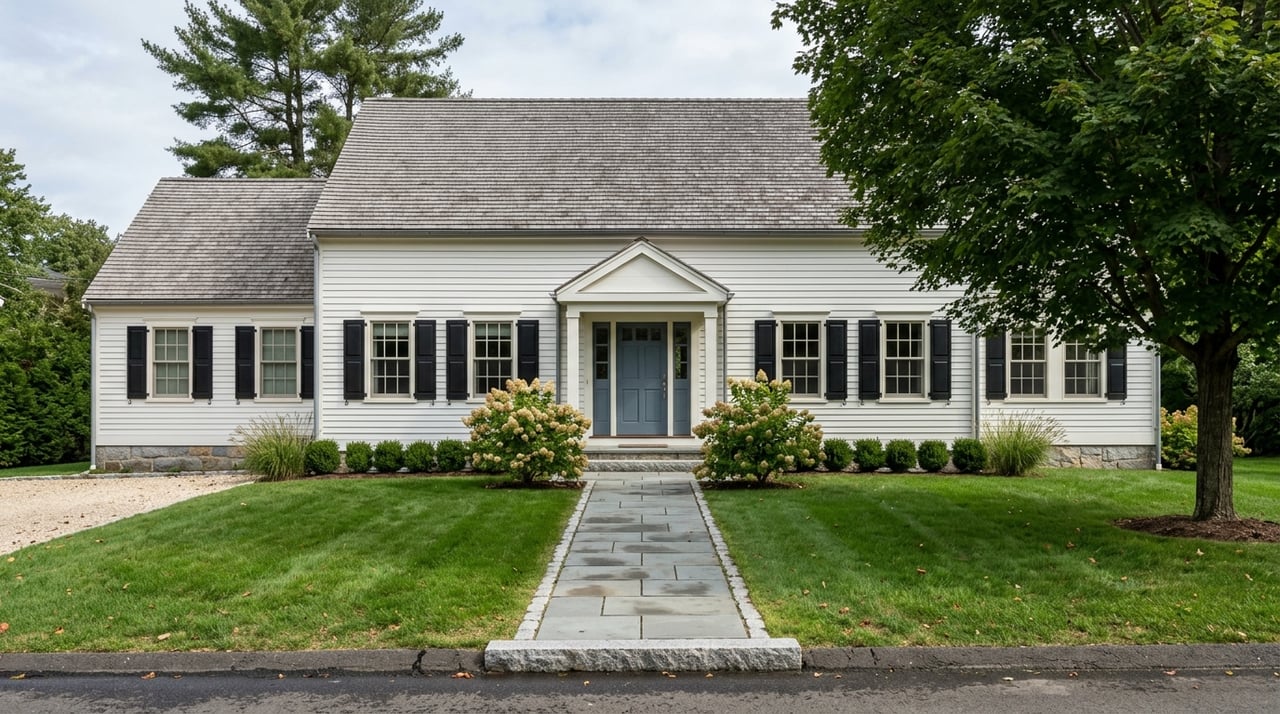
If you want a quieter North Shore lifestyle without feeling cut off from the coast, Merrimac deserves a closer look. This small Essex County town offers a semi-rural setting, a strong sense of place, and easy access to nearby coastal destinations, all while keeping everyday life grounded in open space, local roads, and neighborhood-scale living. If you are weighing where to live next, this guide will help you understand what living in Merrimac is really like and why it stands out for many buyers. Let’s dive in.
Why Merrimac appeals to buyers
Merrimac is a small town in northern Essex County with an estimated 2024 population of 6,810, according to the U.S. Census Bureau. Its identity is shaped by the Merrimack River, wooded land, farmland, and older village areas like Merrimacport and Merrimac Square.
The broader setting feels semi-rural and primarily residential, with small businesses mixed in and access to I-95, I-495, Route 110, and Route 113 noted in local planning documents. For many buyers, that combination creates a practical balance between space, scenery, and regional convenience.
Merrimac's small-town character
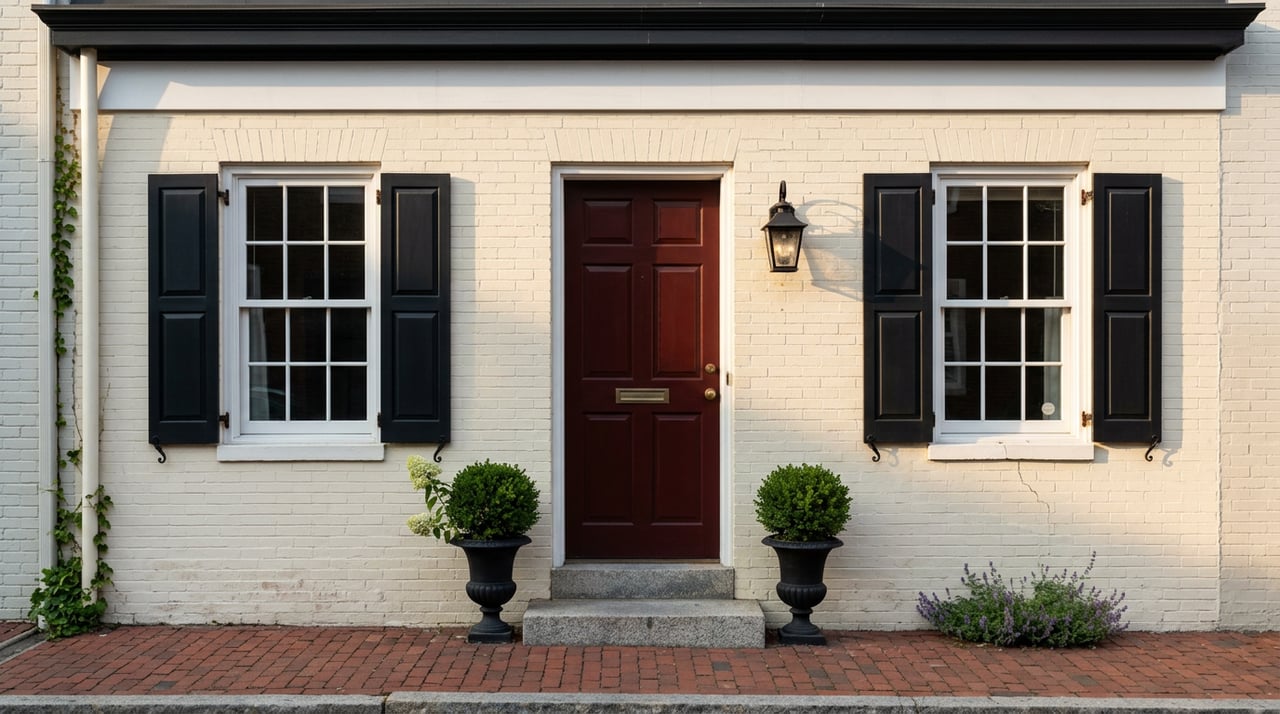
One of Merrimac’s biggest draws is that it still feels like a town with distinct historic roots. The town master plan points to Merrimacport and Merrimac Square as the oldest parts of town, and those areas help give Merrimac a layered, long-established character.
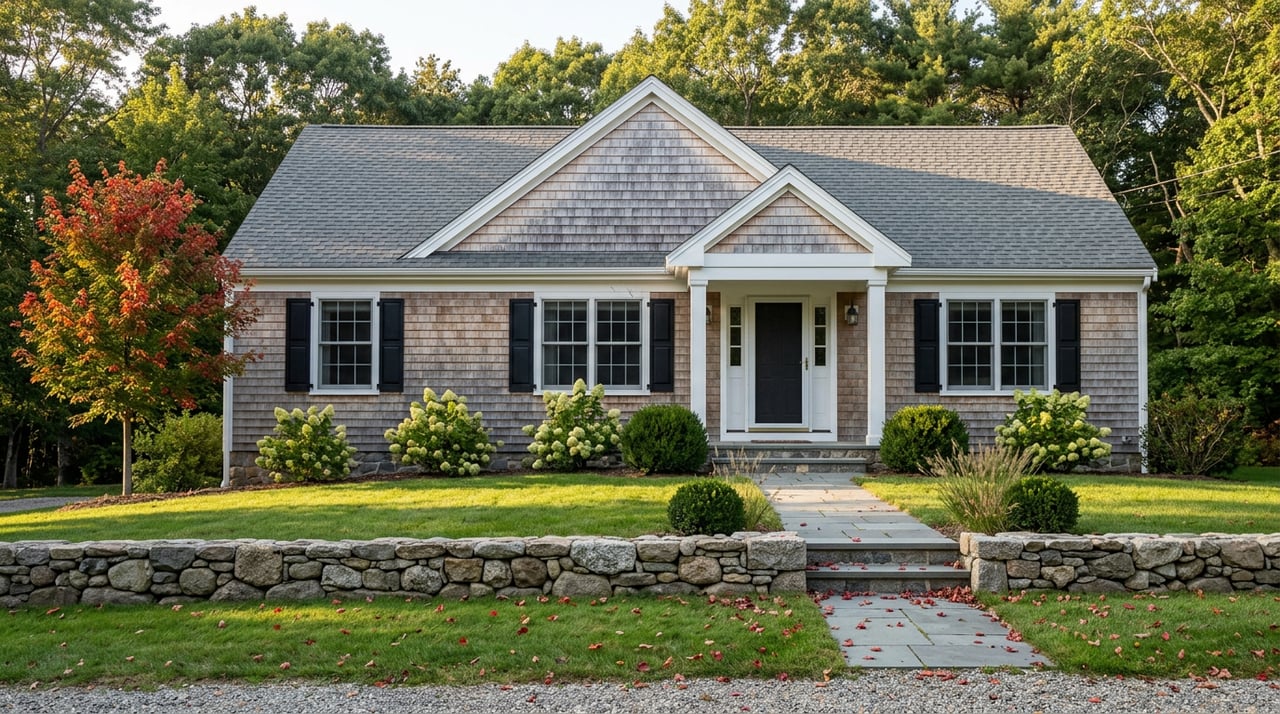
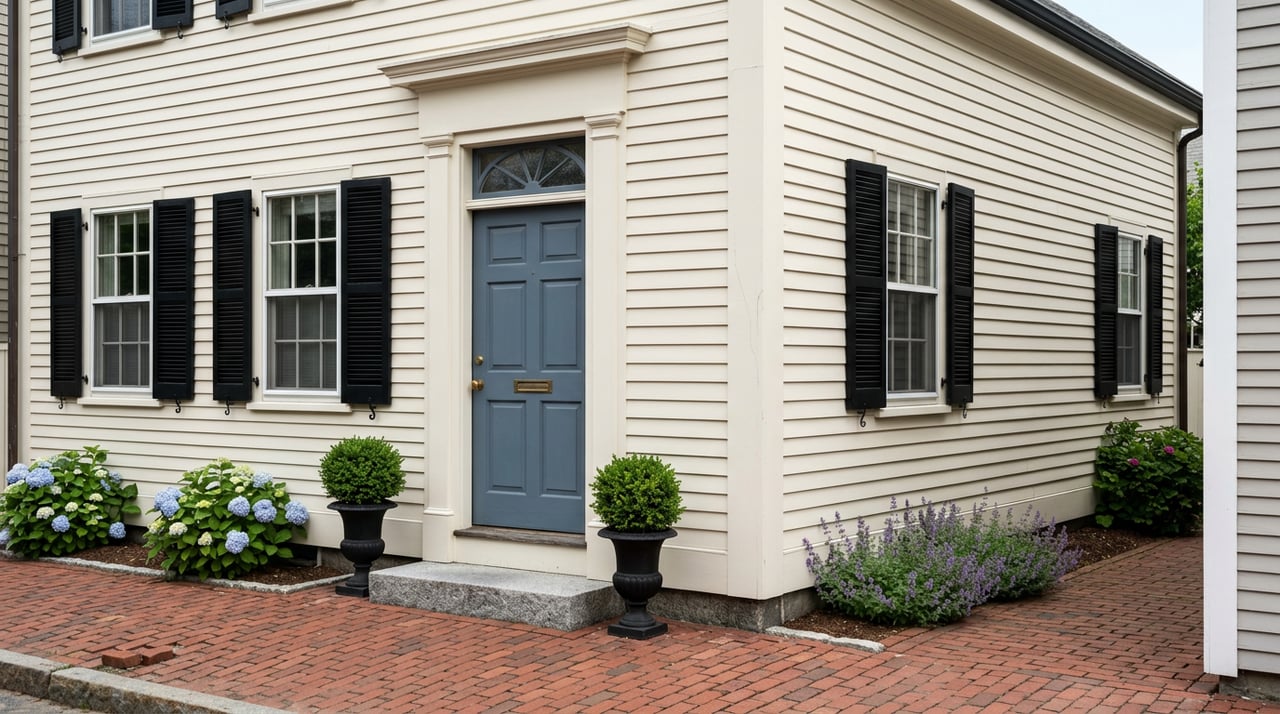
You can also see that history in the local housing stock. Town planning documents describe Merrimacport as an exceptionally well-preserved village with Georgian, Federal, Greek Revival, and early Victorian buildings, while Merrimac Square and nearby areas include colonial and Victorian structures.
That older architectural fabric is part of what makes Merrimac feel different from a newer suburban community. Instead of one uniform look, you will find a mix of home styles tied to different eras of the town’s growth.
Housing in Merrimac
If you are searching for a place with a strong single-family housing presence, Merrimac fits that profile well. The town’s 2024 housing plan reports that 59.6% of housing units are single-family detached, while higher-density housing makes up a smaller share than in Essex County overall.
That same report shows 82.9% of households are owner-occupied, with 67.9% classified as family households and an average household size of 2.58 people. Those numbers suggest a market shaped largely by long-term residents rather than high-turnover housing.
Merrimac’s lot sizes also help explain why the town often feels more spacious than communities closer to the coast. Over 90% of the town is zoned primarily for residential uses, and the largest share of land falls within Agricultural Residential zoning, where 2-acre lots are typical, according to the town’s 2024 housing plan.
Neighborhood feel and home styles
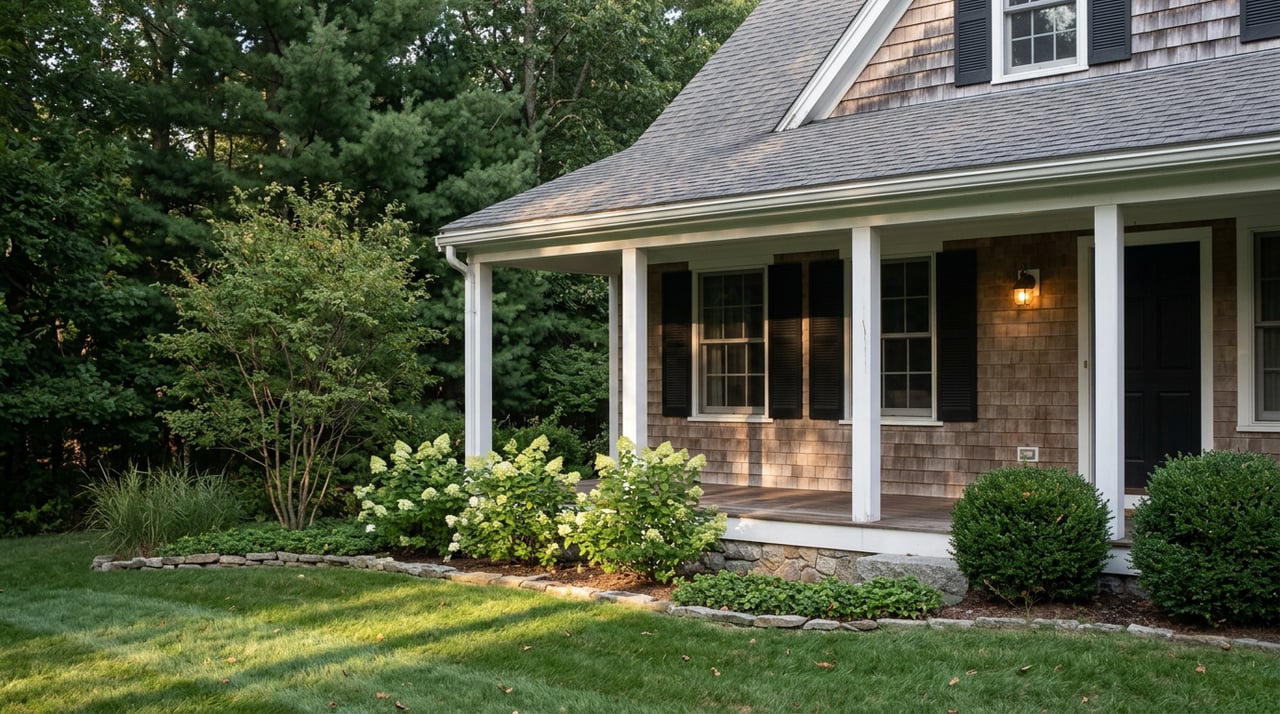
Merrimac does not have just one residential pattern. Some areas feel more village-like, while others offer a more spread-out setting with larger lots and a more rural backdrop.
Near the historic core, you may find older homes and a more traditional streetscape. Along West Main Street, local planning documents note grand Victorian-style homes, while around Lake Attitash there are former summer cottages that have been winterized for year-round living.
This variety can be appealing if you want options. Depending on your goals, you may be drawn to a historic home with character, a more conventional single-family property, or a location near outdoor amenities.
Outdoor recreation in Merrimac
Merrimac’s lifestyle is strongly tied to open space and recreation. The town’s Open Space Committee highlights opportunities for hiking, biking, walking, birding, horseback riding, and organized sports, along with destinations like the Town Forest, McLaren Trail, Carey Park, Cobbler Brook Greenway, and other trailheads and landings.
For many residents, this is one of the town’s biggest advantages. You are not choosing Merrimac for a dense downtown or extensive public waterfront. You are choosing it for everyday access to trails, green space, and a more outdoors-oriented routine.
Lake Attitash is especially important to the local lifestyle. The town master plan describes it as a 360-acre lake with a public boat ramp and a town-owned public swimming beach at Indian Head Park, giving residents a meaningful local option for warm-weather recreation.
River access and waterfront reality
Because the Merrimack River is such a strong part of Merrimac’s identity, it helps to understand what that means in practical terms. Merrimac is river-adjacent, but it is not a town with broad public riverfront access.
According to the town master plan, most riverfront land is privately owned, there are no public beaches on Merrimac’s riverfront, and public access is limited. Town-owned river parcels include Creek Landing, Carey Memorial Park, Cottles Landing, and Duck Hole.
That distinction matters if you are specifically looking for a public waterfront lifestyle. Merrimac offers proximity to the river and a strong connection to it historically and visually, but not the kind of expansive public river access some buyers may assume.
Close to the coast without living on it
For many buyers, Merrimac works best when you think of it as near coastal amenities rather than directly coastal. Nearby Newburyport sits at the mouth of the Merrimack River and is bordered by the Atlantic Ocean, while beach options in the area include Plum Island Point Beach in Newburyport and the Salisbury Beach State Reservation area in Salisbury, according to state and local source material.
That means you can enjoy access to beaches and coastal day trips without necessarily paying for or maintaining a home in a busier waterfront location. For some households, that trade-off feels like the sweet spot.
It also helps that Newburyport is one of the top work destinations for Merrimac residents. That connection reinforces how closely Merrimac is tied to the surrounding coastal and employment landscape.
Community life in Merrimac
Small-town living is not just about housing and geography. It is also about whether a place has active civic life, local traditions, and ways to get involved.
Merrimac has several examples of that. The town’s Cultural Council supports arts, humanities, and interpretive-science programming, the Merrimac Public Library runs recurring book clubs and other programs, and the Garden Club focuses on beautification, environmental responsibility, and charitable support.
There is also a major community milestone ahead. The town’s 150th Anniversary Celebration Committee is planning a year-long 2026 celebration with historical exhibits, parades, concerts, and family events, which speaks to the town’s investment in local identity and shared traditions.
Schools serving Merrimac
Merrimac is part of the Pentucket Regional School District, which serves Groveland, Merrimac, and West Newbury. The district includes four elementary schools, a middle school, and a senior high school.
In Merrimac itself, Dr. F. N. Sweetsir serves grades K-2 and Helen R. Donaghue serves grades 3-6. If schools are part of your home search, this gives you a clear starting point for understanding how the town fits within the regional district structure.
Who tends to like Merrimac
Based on the town’s housing profile, setting, and transportation context, Merrimac often appeals to buyers who want more space and a quieter pace than they may find in higher-profile coastal communities. It may also suit people who value owner-occupied neighborhoods, local recreation, and a more residential atmosphere.
Local planning analysis also suggests a strong fit for commuters who are comfortable driving to Newburyport, Haverhill, or the I-495 corridor, as well as buyers who enjoy trails, conservation land, and local water recreation. In other words, Merrimac can be a strong option if your priorities center on room to spread out, outdoor access, and proximity to the coast rather than living directly on it.
Is Merrimac the right fit for you?
Merrimac is not trying to be a bustling downtown destination or a classic beach town. Its appeal is more grounded than that. You get a small-town setting, a largely single-family housing base, meaningful outdoor recreation, and access to nearby coastal amenities when you want them.
If that combination sounds like your kind of move, Merrimac is worth exploring in person. If you are thinking about buying or selling in Merrimac or another North Shore community, the Cronin Team can help you evaluate neighborhoods, compare lifestyle trade-offs, and make a confident next step.
FAQs
What is living in Merrimac, MA like?
- Living in Merrimac offers a small-town, semi-rural feel with a strong single-family housing presence, open space, and convenient access to nearby routes and coastal destinations.
Does Merrimac, MA have public waterfront access?
- Merrimac has limited public access to the Merrimack River, and the town does not have public beaches along its riverfront.
Are there outdoor activities in Merrimac, MA?
- Yes. Merrimac offers trails, open space, parks, and recreation areas for hiking, biking, walking, birding, boating, swimming, and organized sports.
What kind of homes are common in Merrimac, MA?
- Merrimac has a housing stock led by single-family detached homes, along with a mix of historic properties, larger-lot homes, townhomes, duplexes, and some homes near Lake Attitash.
Is Merrimac, MA close to beaches?
- Merrimac is not a beach town, but it is close to coastal destinations including Newburyport and Salisbury, where nearby beach options are available.
What school district serves Merrimac, MA?
- Merrimac is part of the Pentucket Regional School District, and the town includes Dr. F. N. Sweetsir for grades K-2 and Helen R. Donaghue for grades 3-6.